
Table of Contents
ToggleThe Furnace is one of Clash Royale’s most divisive cards. Some players swear by its consistent spawn pressure: others dismiss it as a dead weight. The truth? It’s neither, it’s a card that rewards precision timing, smart placement, and the right deck archetype. In 2026, as the meta continues to shift with balance changes and new card releases, the Furnace remains surprisingly relevant for ladder climbing and tournament play when built correctly. This guide breaks down everything you need to know about mastering the Furnace, from its mechanics and optimal placement to the deck builds that actually win games. Whether you’re looking to resurrect it in your lineup or finally understand why your opponents keep spawning those pesky Fire Spirits at your tower, we’ve got you covered.
Key Takeaways
- The Furnace is a contextual 4-elixir building card that thrives in specific deck archetypes and metagame windows, requiring precision timing and strategic placement to maximize value.
- Fire Spirits spawn every 5 seconds and deal significant burn damage; positioning the Furnace at the bridge, center, or defensively determines threat level and survival time.
- Master Furnace counters like Fireball, Wizard, and Tornado by understanding when your opponent cycles spells, and play Furnace reactively during spell cooldown windows for optimal survival.
- The Furnace excels in Control, Cycle, and defensive Beatdown decks but struggles against spell-heavy archetypes and units like Hog Rider that can bypass Fire Spirit pressure.
- Avoid common mistakes like playing Furnace without backup threats, pre-placing it defensively, or overcommitting support elixir—instead, pair it with secondary threats and trust the spawn pressure.
- In 2026, Furnace remains viable for ladder climbing and niche tournament play when built into appropriate archetypes, but it is not a meta staple due to efficient spell-based counters dominating competitive play.
What Is The Furnace Card?
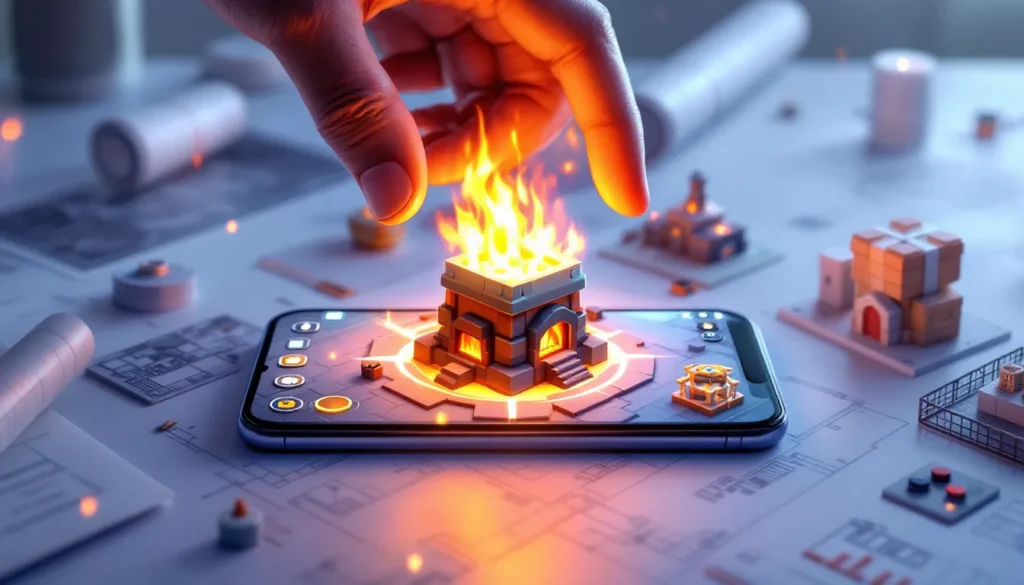
The Furnace is a 4-elixir building that exists to do one thing: spawn Fire Spirits. It’s a defensive structure by nature but functions best when played proactively. Understanding its mechanics is the foundation of using it effectively.
Card Stats & Mechanics
The Furnace has 200 HP (at tournament standard) and spawns a pair of Fire Spirits every 5 seconds. Each Fire Spirit deals 70 damage on impact and 63 DPS (damage per second) via burn, though they’re weak to area-damage spells and troops. The card costs 4 elixir, lives for 60 seconds (unless destroyed), and generates a total value of eight Fire Spirits if left untouched.
The critical stat here is the 5-second spawn interval. This means a properly placed Furnace will produce two waves of Spirits before your opponent can respond, and up to four waves in a full rotation. Fire Spirits move at medium speed, so they’re not instant threats, but they’re tanky enough to survive most small troops and require specific counters to shut down cleanly.
Compared to other 4-elixir buildings like the Inferno Tower or Elixir Collector, the Furnace trades defensive coverage for offensive pressure. It doesn’t stop pushes: it punishes them. That distinction shapes how you deploy it.
Spawn Mechanics & Fire Spirit Behavior
Fire Spirits spawn in a tight pair and walk straight down their lane. They prioritize buildings first, then troops, but will chase a player’s tower if nothing else blocks them. Here’s the key: they spawn roughly in the center of the Furnace, which means placement shifts whether they head left, right, or split between lanes.
Each Fire Spirit has 180 HP, making them vulnerable to units like Goblins, Spear Goblins, and Skeletons in small bursts. But, they deal massive burn damage over 4 seconds, melting troops that can’t kill them fast. A single Fire Spirit can whittle down a Prince or Mini P.E.K.K.A if left alone.
The Furnace’s true power emerges when Fire Spirits reach the tower. Two Spirits hitting a tower deal roughly 130 damage per spawn cycle, or 1,040 total damage over the building’s 60-second lifespan if your opponent ignores it entirely. That’s chip damage your opponent can’t ignore, forcing them to either spend elixir on a counter or accept tower damage. This pressure is why the Furnace works, not because it’s impossible to counter, but because countering it often costs more elixir or tempo than defending passively.
Why Furnace Remains Viable in Modern Clash Royale
In 2026, the Furnace occupies a niche position in Clash Royale. It’s not a top-tier card in the strictest sense, but it thrives in specific archetypes and metagame windows. Understanding when and why to use it separates skilled players from casual ones.
Arena-Specific Relevance & Threat Levels
The Furnace’s viability depends heavily on arena. In ladder, where card levels often outpace meta concerns, a high-level Furnace can be brutally effective. A level 13 Furnace has 280 HP, drastically extending its lifespan and forcing opponents to spend significantly more to remove it. This is why many casual ladder players fear the card, it punishes lower-level counters.
In tournaments or challenges with equal levels, the Furnace’s relevance shifts. It becomes a meta call rather than an automatic inclusion. Currently, it fits into defensive-control decks that struggle against single-target threats like Hog Rider or P.E.K.K.A. The Furnace can’t stop these units, but spawning Fire Spirits delays them and creates zoning pressure that forces suboptimal play from your opponent.
Arena matchups matter too. In bridges where space is limited (like the midladder “bridge spam” meta), placing a Furnace near the bridge spawns Fire Spirits that immediately threaten the tower. In wider arenas, Fire Spirits have more room to be kited, reducing their threat level. This is why Furnace performs better in certain arena rotations and seasonal challenges.
Threat assessment: never play the Furnace into a deck with heavy spell cycling. If your opponent has both Fireball and Zap, or worse, has shown Tornado or Rocket, the Furnace becomes a liability. Your 4-elixir investment gets nuked by a single 4-elixir Fireball, translating to neutral or negative elixir trades. Conversely, against spell-light decks or those lacking area damage, the Furnace becomes a focal point your opponent must address.
Matchups Against Popular Cards & Archetypes
The Furnace performs differently depending on what your opponent is playing. Against Beatdown decks running heavy tanks like Golem or Giant, the Furnace is primarily defensive, spawning Fire Spirits to whittle down the push before it reaches your towers. But, Beatdown decks often run area-damage support like Wizard or Bomber, which laughs at Fire Spirits. This matchup is tough unless your deck includes other anti-tank tools.
Against Hog Rider decks, the Furnace is neutral-to-bad. Hog Rider moves so fast that Fire Spirits rarely connect, and spawning them doesn’t prevent tower damage. Your Furnace just feeds Zap value for your opponent. You’re better served playing ground troops or a building that actively denies the Hog’s path.
Against Cycle decks (Fast, Mortar, Logbait), the Furnace shines. These decks lack the elixir and card rotation to consistently clear Fire Spirits while maintaining their primary gameplan. A well-timed Furnace forces your opponent to spend resources, disrupting their rhythm.
Against Midladder staples like P.E.K.K.A or Dark Prince, Fire Spirits are bait. These units cleave through them, and spawning them just wastes your Furnace’s lifespan. Avoid playing Furnace into these archetypes unless it’s a last-resort defensive measure.
The matchup matrix is why many pro players don’t rely solely on Furnace. It’s a tech card, powerful in the right meta, dead weight in the wrong one. Understanding this makes you dangerous, because you’ll know when to include it and when to leave it on the bench. Like the Clash Royale Prince: Mastering Strategies for Dominating the Arena, the Furnace requires metagame awareness to maximize its potential.
Optimal Furnace Deck Builds for Ladder & Tournament Play
The Furnace isn’t a one-size-fits-all card. It functions best when paired with synergistic units and win conditions that leverage the pressure it creates. Here are three proven archetypes that work with it.
Beatdown & Tank-Centric Furnace Decks
Sample Beatdown Furnace Deck:
- Win Condition: Golem (8 elixir)
- Main Support: Wizard (5 elixir)
- Defensive Building: Furnace (4 elixir)
- Removal: Fireball (4 elixir)
- Cycle: Skeletons (1 elixir), Goblins (3 elixir)
- Anti-Air: Musketeer (4 elixir) or Arrows (3 elixir)
- Tank: Knight (3 elixir)
In Beatdown, the Furnace serves a defensive anchor role. You’re not playing it for chip damage: you’re playing it to survive aggression long enough to build a Golem push. The Fire Spirits distract smaller troops while your Knight and Wizard handle the initial assault.
The core strategy: Play Furnace reactively after identifying what your opponent plays. If they push opposite lane, you have breathing room. If they pressure your lane, the Furnace spawns Fire Spirits to slow their assault while you build elixir for a counter-push.
Key timing: Don’t pre-place Furnace in a Beatdown deck. Wait until you’ve taken a hit or you’re low on elixir. Playing it early wastes its lifespan and telegraphs your gameplan. Save it for the 2x elixir phase or moments where you desperately need defensive value.
Control & Defensive Furnace Strategies
Sample Control Furnace Deck:
- Win Condition: Spell Cycle (Fireball, Zap, Tornado)
- Main Defense: Furnace (4 elixir), Inferno Tower (5 elixir)
- Cycle Troops: Skeletons (1 elixir), Goblins (3 elixir), Spear Goblins (2 elixir)
- Ranged Support: Musketeer (4 elixir) or Firecracker (3 elixir)
- Heavy Spell: Rocket (6 elixir) or Lightning (6 elixir)
Control decks use the Furnace as a persistent defensive engine. You’re not trying to rush, you’re grinding your opponent down while maintaining positive elixir trades. The Fire Spirits become the primary win condition, chipping 1,000+ damage over a match.
This archetype thrives in single-elixir because it gives you time to respond to threats. The Furnace buys you literally seconds while you gather elixir for a proper counter. Unlike Beatdown, you’re playing Furnace early and often, prioritizing it as your primary defensive structure.
Key timing: In Control, play Furnace at the bridge as soon as you hit 4 elixir in the opening minute. This forces your opponent to immediately answer it or accept pressure. Most players panic-spend elixir, which you can punish with a well-timed Fireball or by playing a defensive unit elsewhere. The Furnace doesn’t need to survive long, it just needs to force your opponent into poor decisions.
Cycle & Chip Damage Furnace Builds
Sample Cycle Furnace Deck:
- Win Condition: Furnace (4 elixir) + Firecracker (3 elixir)
- Defense: Inferno Tower (5 elixir) or Tesla (4 elixir)
- Cycle: Skeletons (1 elixir), Ice Golem (3 elixir)
- Spells: Zap (2 elixir), Tornado (3 elixir)
- Ranged: Musketeer (4 elixir)
- Heavy Spell: Arrows (3 elixir)
Cycle decks are all about volume. You’re playing small, cheap units repeatedly, forcing your opponent to overextend while the Furnace and Clash Royale Firecracker: Unleash Her Power for Dominating Strategies chip away at their tower. The average elixir cost should hover around 2.8–3.0.
The Furnace here serves dual duty: it’s your primary win condition and your defensive centerpiece. When defending, it buys time. When attacking, spawned Fire Spirits are your secondary threat.
Key timing: In Cycle, play Furnace constantly but smartly. If your opponent just used Fireball, you have a 30-second window before they cycle back to it. Play Furnace then. The goal is to keep it alive by exploiting spell cooldowns while maintaining cycle pressure. Every second Furnace stays on the board is damage your opponent didn’t stop.
Placement & Timing Mastery for Maximum Value
Placement and timing separate competent Furnace players from great ones. A Furnace played in the wrong spot at the wrong moment is essentially wasted elixir. Here’s how to get it right.
Optimal Furnace Placement Zones
Furnace placement has a massive impact on Fire Spirit trajectories and survival time. There are three primary zones:
1. Bridge Placement (Aggressive)
Playing Furnace directly at the bridge spawns Fire Spirits that immediately march toward the enemy tower. This is the most aggressive variant and forces immediate responses. Con: The Furnace itself is exposed to tower fire and can be sniped by medium-health units. Use bridge placement only when you’ve softened the lane or when your opponent is low on elixir.
2. Central Placement (Balanced)
One square back from the bridge, roughly center-board. This spawns Fire Spirits that reach either lane depending on where your opponent’s push develops. The Furnace has more survivability here and forces your opponent to pick a lane to defend. This is the standard placement for most situations.
3. Defensive Placement (Reactive)
Far back in your zone, near your towers. This is purely defensive and spawns Fire Spirits that intercept incoming troops before they reach your towers. Use this when you’re under heavy pressure or when you’ve miscalculated elixir and need emergency defense.
Map control shapes placement too. On narrow maps like Dessert or Frozen Peak, center placement is mandatory, it forces Fire Spirits into both lanes. On wider maps like Royal Arena, bridge placement is more viable because you have more room to position your Furnace out of tower range while still spawning threatening Fire Spirits.
Mirror matches demand precision. If both players have Furnace, placement warfare begins. Whoever plays it first controls the lane: the second player must choose whether to counter the Furnace or ignore it and play opposite. Most players counter, which means the first Furnace essentially “locks” elixir from your opponent.
Elixir Management & Timing Windows
Elixir timing is everything. A Furnace played at the wrong moment either gets nuked instantly or wastes its 60-second lifespan while you’re building elixir elsewhere.
Opening Minute Strategy:
Never open with Furnace. Wait for your opponent’s first play. If they play a building, mirror it or answer with a cycle card. If they play a small troop, you might have a window to play Furnace at the bridge. The goal is to learn their deck identity before committing 4 elixir to a building.
Double Elixir Timing:
Furnace becomes dramatically better in 2x elixir. Your opponent can now respond with spells, but you can simultaneously build a larger push. Playing Furnace + a win condition in double elixir forces your opponent to decide: defend the Furnace, defend the push, or pray you overextend. Most players panic and split their response, allowing one threat through.
Spell Cooldown Windows:
If your opponent just used Fireball, Zap, or another area-damage spell, Furnace has a 30-40 second window before they cycle back to it. Play it then. Conversely, if they haven’t used their spell and you don’t know what it is, Furnace is risky. Wait for confirmation.
Elixir Advantage Moments:
If you’re up an elixir trade (you took a Hog for free, or your Musketeer beat their Knight), you have a brief window where your opponent is “stuck” at low elixir. This is peak Furnace timing. They can’t respond well to it, so it will likely survive longer and generate full value.
Pressure Inversion:
If your opponent is pressuring opposite lane, your main lane is undefended. Play Furnace here immediately. It buys time for you to defend the pressure or build elixir for a counter-push. This is your highest-EV Furnace window in most matchups.
Rule of thumb: In single elixir, play Furnace only when you’re defending or when your opponent just used a spell. In double elixir, play Furnace more aggressively, combining it with other threats. Your opponent can’t answer everything at once.
Countering Furnace & Defensive Tactics
If the Furnace is ever going to dominate your ladder climbs, you need to understand how to crush it when opponents play it against you. Knowing the counters also helps you play around them when piloting a Furnace deck yourself.
Best Counter Cards & Spells
Spell Counters (Highest Efficiency):
- Fireball (4 elixir) is the gold standard. It deals 640 damage at tournament standard, destroying the Furnace in one hit and vaporizing any Fire Spirits nearby. Cost efficiency: perfect 1-for-1 trade.
- Tornado (3 elixir) is sneaky. It doesn’t destroy the Furnace, but it redirects spawned Fire Spirits away from your tower, giving you more time to find a permanent answer. Often paired with a ranged unit for full removal.
- Earthquake (3 elixir) damages the Furnace but doesn’t destroy it outright. But, it disrupts spawning timing and hits Fire Spirits, making it a decent soft counter if you’re running it for other reasons.
- Arrows or Log are not true counters, they don’t significantly threaten the Furnace itself, but they do manage Fire Spirits efficiently if you’re using them already.
Troop Counters (Positive Trades):
- Wizard (5 elixir) completely hard-counters Furnace. His area damage destroys Fire Spirits before they move, and he can be placed defensively to handle the unit itself. But, the 1-elixir trade gap means it’s only a positive play if the Wizard was already in your hand.
- Bomber (3 elixir) is a fantastic budget counter. His area damage melts Fire Spirits, and his splash radius covers the Furnace if positioned correctly. Very underrated counter in midladder.
- Baby Dragon (4 elixir) has similar benefits to Wizard but with worse dps and more tankiness. Still viable if Wizard isn’t in your deck.
- Dark Prince (4 elixir) can dash through a Furnace and destroy it while his dash shield absorbs Fire Spirit damage. But, if your opponent has support behind the Furnace, this gets risky.
Ranged Unit Counters (Require Correct Positioning):
- Firecracker, Musketeer, or Archers can chip the Furnace from range while avoiding Fire Spirit burn damage if positioned far back. They’re not dedicated counters, but they work when you’re playing them anyway. According to resources like Game8’s tier lists, positioning mastery separates casual and competitive players.
Meta Consideration:
In 2026, with the shift toward faster cycling and spell-heavy archetypes, Fireball has become an increasingly prevalent Furnace counter. If 60% of your opponents have Fireball, playing Furnace is risky. But, if most decks run heavier spells like Rocket or Lightning, Furnace becomes safer because those cards are less efficient counters.
Defensive Positioning Against Furnace Decks
If you don’t run a dedicated counter, positioning becomes critical.
Zone Defense:
Don’t let Fire Spirits reach your tower. Position defensive troops far enough forward that they intercept Fire Spirits before they deal burn damage. A single Skeleton or Spear Goblin played at the right moment stops a Spirit from reaching the tower.
Ranged Separation:
Keep ranged units (Musketeer, Archers) far enough from the Furnace that Fire Spirits can’t burn them down. Fire Spirits deal ~63 DPS, so units with low health die quickly in sustained burn. Separate your ranged unit and defend Fire Spirits with tankier troops.
Double-Defend Strategy:
If your opponent plays Furnace + another unit on opposite lane, split your defense. Don’t send all your elixir to stop the Furnace: answer the opposite-lane threat and accept some Fire Spirit damage. The split prevents your opponent from getting massive value from a combined assault.
Counter-Push Timing:
Here’s the sneaky play: when your opponent plays Furnace, immediately play your own offensive threat opposite lane. Most Furnace players are greedy, they play Furnace expecting you to react to it. If you ignore it and start building a push, you force them to answer you. The Furnace becomes their defensive tool, and you regain tempo.
Spell Rotation:
If you run a spell like Arrows or Zap, cycle it to manage Fire Spirits without overcommitting resources. Don’t panic-spell the first two Fire Spirits: wait until you have 3-4 on the board, then clear them all at once. This conserves elixir and prevents your opponent from playing around your spell rotation.
Common Furnace Mistakes & How to Avoid Them
Even strong players misplay the Furnace. These are the most common mistakes and how to fix them.
Mistake #1: Playing Furnace With No Backup
Spawning Fire Spirits means nothing if your opponent simply ignores them. Never play Furnace in a vacuum. Pair it with a ranged unit or win condition that forces your opponent’s attention. A lone Furnace against a good player gets countered, and you’ve wasted elixir. Always have a secondary threat that makes your opponent choose between defending multiple lanes.
Mistake #2: Pre-Placing Furnace on Defense
Many players plop Furnace in their territory the moment they hit 4 elixir. This is passive and telegraphs your gameplan. A smart opponent sees it coming and spells it before Fire Spirits spawn meaningfully. Instead, play Furnace after your opponent commits to a push. Reactive Furnace placement is dramatically more valuable because it catches them off-guard.
Mistake #3: Playing Furnace Into Known Counters
If your opponent has shown Wizard twice already, stop playing Furnace. You’re feeding value. Similarly, if they have Fireball and it’s not on cooldown, Furnace is a liability. Before playing it, mentally check: do they have a spell in hand? Have they shown a counter? If the answer is yes, wait.
Mistake #4: Overcommitting Elixir to Support Furnace
Furnace is a 4-elixir building, not a 12-elixir defensive wall. Don’t play Furnace + Wizard + Knight + Musketeer to “secure” it. That’s 17 elixir for a single lane defense, and your opponent just plays opposite with their win condition untouched. Play Furnace with minimal support. Let it spawn Fire Spirits and trust them to do work. If they get cleared, so be it, you only invested 4 elixir.
Mistake #5: Ignoring Fire Spirit Burn Damage
New Furnace players often forget that Fire Spirits deal continuous burn damage even after they pass your troops. A single Spirit that reaches your tower deals ~130 damage across 4 seconds. Over multiple spawn cycles, that’s 1,000+ tower damage. Always defend Fire Spirits as if they’re dealing direct damage, because they are. Ignoring them compounds over time.
Mistake #6: Not Cycling Furnace Fast Enough in Spell-Light Decks
In Cycle and Control decks, Furnace is your primary win condition. You should play it constantly and chain spawns for continuous pressure. Many players play one Furnace, it gets destroyed, and they never play another. Wrong. Cycle decks need to regenerate Furnace as soon as the last one falls. Your win condition is constant pressure, not a single big play.
Mistake #7: Playing Furnace at Bridge in Your Opening Moves
This is a midladder epidemic. New players open with Furnace at the bridge hoping for early tower damage. Experienced players simply Fireball it and punish your lack of card information. Always wait for your opponent’s opening play, understand their deck, then decide whether Furnace is viable. Premature Furnace is a free loss.
Fix: After identifying these mistakes, the antidote is simple: play Furnace reactively, pair it with secondary threats, respect counters, and cycle it aggressively in appropriate archetypes. This single shift elevates your play dramatically. Like learning Wizard Clash Royale: Master Strategies to Dominate Every Battle synergies, Furnace mastery comes from understanding context and timing, not just card stats.
Furnace in Competitive & Ladder Environments
The Furnace occupies different niches in ladder versus competitive play. Understanding these differences helps you deploy it strategically.
Current Furnace Meta Status
As of 2026, the Furnace is a niche card. It’s not tier-1, but it’s far from unplayable. The meta currently favors fast cycling, spell-heavy archetypes, and high-damage-per-second units. This creates an interesting dynamic for Furnace:
Ladder Meta: On ladder, where card levels matter and opponents vary wildly, Furnace thrives. A high-level Furnace (level 13+) has enough HP to tank spell hits and elixir pumps from overleveled opponents. It’s a reliable, repeatable income generator on ladder where opponents are less likely to have optimized counters. Many ladder players maintain a 6,000+ trophy range using Furnace-heavy decks because the opponents they face are underleveled or playing outdated archetypes.
Tournament Meta: In tournaments with equal levels, Furnace is a meta tech. You’ll see it in specific circumstances: defensive-control decks that struggle against single-target threats, or in decks built specifically to counter the current ladder meta (e.g., if Golem or Giant is popular, Furnace-based defense becomes valuable). But, it’s not a default inclusion like Fireball or a strong win condition.
Seasonal Challenge Meta: Furnace viability depends on the challenge ruleset. In challenges favoring defensive play (lots of buildings, defensive structures) or in mid-ladder challenges where card variety is limited, Furnace performs excellently. In high-level grand challenges where the meta is refined, Furnace sees less play unless it’s a specific archetype week.
Balance Perspective: Furnace hasn’t received major buffs or nerfs recently, which suggests Supercell views it as balanced but niche. It’s not overpowered (which would prompt a nerf) and not underpowered (which would prompt a buff). This stability means Furnace’s viability is entirely meta-dependent. When decks lacking area damage are popular, Furnace surges. When Wizard and Fireball-heavy archetypes dominate, Furnace drops.
Pro Player Usage & Tournament Trends
Professional Clash Royale players rarely rely on Furnace as a primary archetype, but when they use it, it’s deliberate and effective. Tournament usage data from major competitions shows Furnace inclusion rates hover around 5-8% in top-level play, compared to 15-20% for staple cards like Fireball or Hog Rider.
When pros play Furnace, it’s typically in:
- Defensive-Control Mirrors where the match becomes a grind. Furnace provides persistent pressure that wins these attrition-based games.
- Tech Picks Against Specific Decks where the opponent’s archetype (often Beatdown) lacks good Furnace counters in their main build.
- Challenge-Specific Weeks where the ruleset favors buildings or defensive play.
Notable observations from recent tournaments:
- Wizard usage trends up when Furnace inclusion rises. This is because Wizard is the primary Furnace counter, so decks teching Furnace often include Wizard for defensive flexibility.
- Golem-based Beatdown decks occasionally pair with Furnace instead of Inferno Tower when the metagame shifts toward Hog-Rider or cycle-heavy archetypes that don’t punish Furnace’s lack of defensive coverage.
- Firecracker + Furnace combos have emerged in recent tournaments as control-heavy decks, leveraging Firecracker’s ranged damage and Furnace’s Fire Spirit spawns for dual chip-damage pressure.
For current-season meta analysis, resources like Pocket Tactics’ mobile gaming guides provide updated tier lists and meta breakdowns showing Furnace’s current standing in competitive play. Meta reports are typically updated bi-weekly post-patch.
The bottom line: Pro players don’t exclude Furnace out of disrespect, they exclude it because other 4-elixir buildings or cards offer more flexibility and value in the current meta. But when the meta shifts toward low-damage or non-spell-heavy archetypes, Furnace re-enters competitive consideration immediately. This flexibility is why high-level players keep Furnace in their back pocket, ready to deploy it the moment conditions favor it.
For ladder players, the implications are clear: Use Furnace when it fits your deck’s archetype and your opponent’s deck lacks efficient counters. Don’t force it into every meta, that’s a beginner mistake. Instead, develop a Furnace-based deck or two, practice them extensively, and leverage them when ladder conditions favor their archetype. This is how competitive players climb: by mastering flexible, archetype-specific tools rather than chasing the absolute meta every season. The Clash Royale Arena Strategies guide emphasizes similar principles about adapting your strategy to the current environment.
Conclusion
The Furnace is a misunderstood card that rewards precision, timing, and metagame awareness. It’s not the auto-include some midladder players treat it as, nor is it the dead weight skeptics claim. It’s a contextual card, powerful in the right deck against the right opponents, dead weight in the wrong meta.
Mastering the Furnace means understanding its mechanics, recognizing when it fits your deck archetype, placing it strategically based on map and opponent positioning, and knowing when to abandon it entirely because your opponent’s deck hard-counters it. The players who climb fastest with Furnace aren’t the ones who play it mindlessly, they’re the ones who know exactly when, where, and why it belongs in their lineup.
In 2026, as Clash Royale continues evolving with balance changes and new card releases, the Furnace will remain a viable tool for ladder climbs and tournament runs. Your job is to build the decks, practice the placements, and develop the timing instincts to make it work. The fiery chaos it creates when played correctly will speak for itself.