
Table of Contents
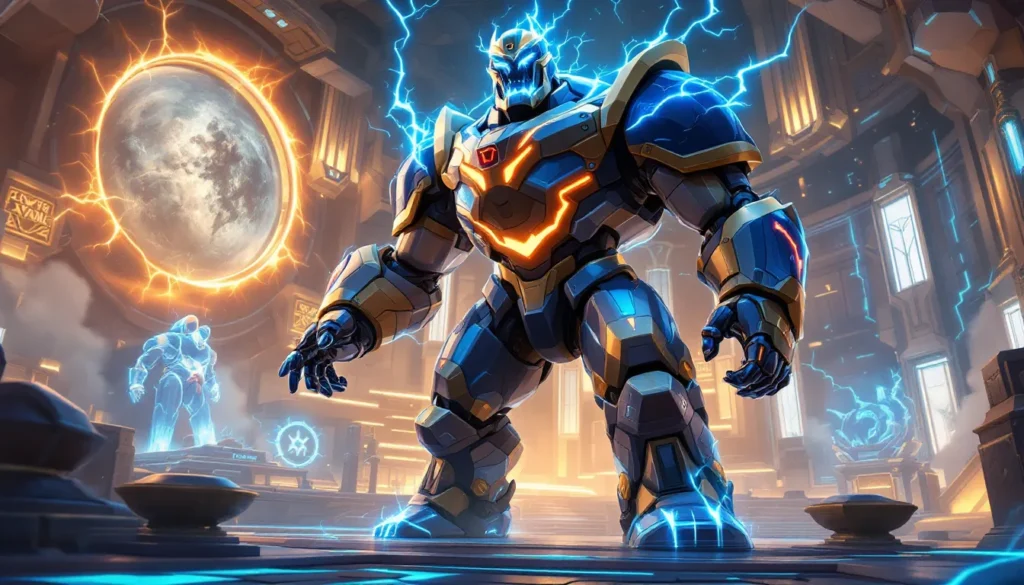
ToggleThe Electro Giant is one of Clash Royale’s most polarizing cards, capable of single-handedly turning a match around or completely flopping depending on your opponent’s hand. Released as a bridge-spanning colossus, this 8-elixir champion has carved out its own identity in the meta, rewarding precise placement and timing while punishing reckless spell usage. Whether you’re climbing ladder, pushing for a personal best, or grinding tournament seasons, understanding when and how to deploy the Electro Giant separates decent players from those racking up consistent wins. This guide breaks down everything you need to know: how its reflection mechanic works, which decks synergize best with it, advanced placement tactics, and the common pitfalls that cost games. By the end, you’ll know exactly how to leverage this electric behemoth in any matchup.
Key Takeaways
- The Electro Giant’s 70% spell reflection mechanic is its core strength, punishing spell-heavy decks while requiring precise placement and support to maximize value.
- Deploy the Electro Giant when facing spell-heavy opponents, you have an elixir advantage, or a clear lane is available—but avoid sending it into active Inferno Dragon defenses.
- Control and Beatdown decks both leverage Electro Giant effectively, with control focusing on elixir advantage and beatdown stacking multiple threats simultaneously.
- Common mistakes like over-relying on reflection damage, deploying without support, and cycling too aggressively cost games—always read your opponent’s hand before committing.
- Inferno Dragon is the single best counter to Electro Giant, while swarm units and ranged threats also pose significant challenges that require spell support or distraction tactics.
- Tournament-level play emphasizes baiting opponent responses, timing with elixir cycles, and pairing Electro Giant with secondary win conditions rather than relying on it solo.
What Is the Electro Giant and Why It’s a Game-Changer
Card Overview and Stats
The Electro Giant is an 8-elixir troop that dominates the middle arena with massive health and a reflection ability that makes it unique. Here’s what you’re working with:
- Cost: 8 elixir
- Type: Building-targeting champion (ranged)
- Health: Roughly 4,000 HP at tournament standard (scales significantly with levels)
- Damage Per Second (DPS): Moderate damage output, not its primary strength
- Range: Medium-range splash attacks
- Reflection Mechanic: Reflects 70% of spell damage taken back at the opponent
The Electro Giant isn’t a raw damage dealer. It’s a defensive tool disguised as an offensive card. Its true power lies in its ability to punish opponents for using spells, the backbone of most control and cycle decks in the current meta. When you lock in an Electro Giant, you’re essentially saying, “I dare you to Fireball, Tornado, or Zap me,” because every point of damage they throw your way bounces right back.
This is why the card saw a surge in popularity starting in 2024 and remains relevant through 2026. It shifts the entire dynamic of spell-heavy matchups.
How the Reflection Mechanic Works
The reflection system is straightforward but critical to master. When the Electro Giant takes spell damage, it reflects 70% of that damage back to the spell caster, not the troop that was being protected. This is the key detail that changes everything.
Imagine your opponent launches a Fireball (680 damage at tournament standard) at your Electro Giant while it’s protecting your King’s Tower. You’ll reflect back roughly 476 damage to their tower. If they follow up with a Rocket (1,000 damage), expect another 700 damage bouncing back. In tight games, this reflected damage racks up faster than most players expect.
One critical limitation: the Electro Giant only reflects spell damage, not building or troop damage. Direct attacks from enemies don’t trigger the reflection. This is why it struggles against swarm-heavy decks and why you can’t deploy it and hope it wins by itself.
The reflection doesn’t scale with card level in the traditional sense either. A level 14 Electro Giant reflects the same percentage (70%) as a level 13, though the absolute health pool increases significantly with level, making it harder to chip down before it becomes a threat.
Understanding this mechanic is non-negotiable. It’s the difference between playing Electro Giant intelligently and playing it like it’s just a tank.
Strengths and Weaknesses
When to Deploy the Electro Giant
The Electro Giant shines in specific scenarios, and recognizing those moments is everything. Deploy it when:
Opponent is spell-heavy – If you’re facing a Fireball cycle deck, a Splashyard control shell, or a Miner-Spell deck, the Electro Giant becomes their worst nightmare. Every spell they use costs them tower health. The psychological pressure alone forces them to adapt their gameplan.
You have a clean lane – The Electro Giant takes time to become a threat. You need at least 4-5 seconds before it connects with enemy buildings. Deploying it on an empty side of the arena (away from defensive structures and anti-air) maximizes its journey to the tower.
You’re ahead on elixir – With an 8-elixir investment, you can’t play it in a panic or as a desperate defensive measure. You need to establish elixir lead first, usually through good cycle management or an effective defense that consumed fewer resources than your opponent’s push.
Mirror matchups or predictable decks – Knowing your opponent’s hand (through observation across the match) lets you deploy the Electro Giant when you’re confident they lack reliable answers. This is where trophy road players separate from competitive grinders.
Timely deployment into a Mirror or Tornado push that’s clearly coming is devastating. They either use their spells and pay for it or commit more troops to the ground, which often leaves them overextended.
Common Counters and How to Avoid Them
Not every deck folds to the Electro Giant. Knowing its counters helps you recognize when to hold it and when to commit.
Inferno Dragon is the single best counter. Its ramping damage ignores the Electro Giant’s health pool, and it can’t be reflected because it’s not a spell. If you know your opponent has an Inferno Dragon, reconsider your Electro Giant plan or bait it out with a smaller push first.
P.E.K.K.A trades unfavorably against the Electro Giant in a direct matchup, but opponents often pair P.E.K.K.A with small units (Bandit, Dark Prince) that can kite and distract. The Electro Giant’s medium range can struggle against well-placed distractions.
Swarm units like Skeleton Army, Goblin Gang, or Barbarians overwhelm the Electro Giant through sheer numbers. It can’t one-shot these cards, so they whittle it down while dealing chip damage to towers. This is why Electro Giant decks typically run a supporting spell like Log or Arrows.
Inferno Tower offers similar DPS to Inferno Dragon without the mobility. Placed correctly at the bridge, it can fully lock the Electro Giant, but it’s vulnerable to spells, so it’s a weaker counter than the Dragon variant.
Electro Giant itself – Mirror matches come down to placement and support. The one deployed with better unit support (tanks, ranged backup) usually wins.
To avoid these counters, cycle your Electro Giant only when you know the opponent has used their counter recently or when you have spell support ready to deal with problematic defenses. Playing around Inferno Dragon is critical at mid-ladder and above.
Best Deck Archetypes Featuring Electro Giant
Control and Beatdown Decks
Electro Giant fits naturally into two main deck archetypes, each with its own rhythm and win condition.
Control Decks pair the Electro Giant with defensive utilities like Tesla, Cannon, Inferno Tower, and stun spells. The gameplan is to weather the opponent’s push with efficient defense, build an elixir advantage, and then deploy the Electro Giant on a clear lane while the opponent’s resources are depleted.
A typical control shell looks like:
- Electro Giant (win condition)
- Inferno Tower or Tesla (splash/ranged defense)
- Cannon or Tombstone (swarm management)
- Fireball or Poison (spell cycle)
- Log (cheap cycling and pushback)
- Musketeer or Archers (ranged support)
- Elixir Collector (pump for elixir advantage)
- Knight or Valkyrie (ground tank/cleanup)
The beauty of control is that the Electro Giant enters play when the opponent’s push is already collapsing, meaning they can’t effectively respond. Control can feel passive early, but it’s patience rewarded.
Beatdown Decks take a different approach. Instead of grinding an elixir advantage, beatdown pairs Electro Giant with other win conditions and support units, creating a critical mass of threats that opponents can’t defend simultaneously.
A solid beatdown shell runs:
- Electro Giant (primary tank)
- Hog Rider or Mini P.E.K.K.A (secondary offense)
- Goblin Barrel (spell cycle and tower pressure)
- Dark Prince or Valkyrie (supporting tank)
- Zap or Log (cycling and cleanup)
- Guards or Skeletons (cheap cycling)
- Rage or Freeze (offensive spells)
- Musketeer (ranged support)
Beatdown is more aggressive. You’re not waiting for a perfect moment: you’re stacking support and pushing through opponent resistance. The Electro Giant absorbs defensive responses while your secondary threats slip through.
Spell-Heavy and Support Strategies
Not all Electro Giant decks focus solely on the card itself. Some builds use it as a pivot point within a larger spell cycle.
Spell Bait + Electro Giant strategies intentionally play cheap units (like Goblins, Spear Goblins, or Goblin Gang) to bait out spells. Once the opponent has cycled through their big spells, you deploy the Electro Giant knowing they lack their usual removal tools. This is a medium-ladder strategy that loses value at higher levels where players manage elixir more carefully.
Support-heavy variants load the deck with cards that synergize with the Electro Giant’s tankiness. Elixir Collector pumps resources for multiple Electro Giant pushes or a follow-up threat. Ice Wizard, Tornado, and Snowball provide stun and cycle, making it harder for opponents to defend. Healing Spell (the new addition to the meta in 2024-2026 cycles) can keep the Electro Giant alive longer, fundamentally extending its value.
With Healing Spell, an Electro Giant that would normally die to Inferno Dragon can survive and continue dealing reflected damage. This synergy has made Healing-based Electro Giant control increasingly popular in 2026.
Decking with Electro Giant and spells like Fireball, Poison, and Tornado creates a suffocating control pattern. The Electro Giant tanks while spells clean up swarms and spread damage. Opponents struggle to commit resources without losing tower health to reflections.
Advanced Placement and Timing Tactics
Positioning for Maximum Reflection Damage
Placement is everything. A well-placed Electro Giant ends games: a poorly placed one dies without dealing meaningful damage.
Bridge deployments are the most aggressive. Dropping the Electro Giant directly at the bridge forces opponents to respond immediately, but it leaves your towers vulnerable during deployment. Use bridge placement only when you’re confident they lack an Inferno Dragon or when you’re already defending a push on the other lane. The risk-reward is high but can feel unstoppable if it sticks.
Flanking placements involve deploying the Electro Giant slightly off-center, either closer to the river on one side. This approach makes the card harder to defend because opponents must choose: defend the closer lane or set up a stronger defense further back. Many players panic against flanking placements because they offer less setup time.
Support-with-placement means deploying the Electro Giant with a tank or distraction unit slightly ahead or to the side. For example, dropping a Knight at the bridge with the Electro Giant one tile back forces opponents to split their defensive efforts. The Knight tanks the first round of attacks while the Electro Giant charges forward.
Behind-the-tower placement is the safest but slowest option. Deploy the Electro Giant near your King’s Tower, giving it maximum distance to travel. This works against aggressive decks where you need to establish a slow, unstoppable push. You’re not trying to catch opponents off-guard: you’re forcing them to eventually deal with it when it becomes unavoidable.
The key to all placements: avoid sending it down a lane where the opponent has already committed heavy defense. An Electro Giant deployed into an active Inferno Tower is essentially throwing 8 elixir away.
Elixir Management and Pump Synergy
The Electro Giant is a high-investment card, and managing elixir around it separates good players from great ones.
Elixir Collector synergy is non-negotiable in most Electro Giant decks. Placing your pump on the edge of the arena (typically behind your King’s Tower) gives you time to stack elixir before committing your Electro Giant. A standard rhythm: plant a pump, cycle small units while defending, and once the pump finishes (roughly 60 seconds), you’ve accumulated 15+ elixir to spend on Electro Giant + support.
Timing your pump is critical. Deploy it too early, and your opponent spells it down before it generates value. Deploy it too late into a tight game, and it never finishes. Competitive players place pumps after they’ve established defense or when they’re certain the opponent lacks Fireball.
Elixir cycling without a pump requires tighter play. Using cheap units like Skeletons, Goblins, or Ice Spirit keeps your elixir flowing while building toward the Electro Giant push. You’re essentially cycling through your deck to unlock the card while keeping the opponent’s resources tied up.
Double-Push elixir management involves using your opponent’s cycle against them. If they spend 8 elixir on a push you defend with 6 elixir, you’re up 2 elixir. Deploy your Electro Giant before they can attack again. This advantage snowballs quickly because they can’t rebuild their attack while also defending your Electro Giant.
Over-elixir banking (sitting at 9-10 elixir) is a trap. While you’re holding that elixir waiting for a perfect Electro Giant moment, your opponent is cycling their threats repeatedly. Deploy it with 8+ elixir ready (plus 1-2 for cycle), not 9+ where you waste elixir generation.
Meta Matchups and How to Win Trades
Handling Air Attackers
One of the Electro Giant’s weaknesses is its vulnerability to flying units. It can’t directly attack the air, so cards like Inferno Dragon, Dragon, Mega Minion, and Lava Hound can feast on it without taking reflected damage.
Inferno Dragon is the nightmare matchup. Its ramping damage ignores the Electro Giant’s massive health, and it deals pure DPS without spell mechanics. The counter is to support your Electro Giant aggressively. Deploy Tornado or Zap alongside it to reset the Inferno Dragon’s charge, or pair it with air-targeting units like Musketeer or Archers that can handle the Dragon while the Electro Giant tanks ground threats.
Mega Minion is more manageable. It’s slower and less tanky than Inferno Dragon, and spell support can often clean it up. Pair your Electro Giant with a Fireball or Poison to chip the Mega Minion while your ground units handle other threats.
Lava Hound decks rely on spawning Lava Pups, which are weak individually. The Electro Giant can survive the pup spawning and reflect any spell support the opponent uses. Your supporting ground troops clean up the pups while the Electro Giant pushes forward. But, if they’re running Inferno Dragon as their main air defense (common in Lava Loon), you’re in trouble. Recognize the deck type early and adjust.
The universal solution: pair your Electro Giant with air defense. Including Musketeer, Archers, Electro Dragon, or Inferno Dragon of your own makes air attacks substantially weaker. This limits your deck flexibility, but it’s necessary in an air-heavy meta.
Defending Against Swarm and Ranged Units
Swarm units are the other major weakness. Skeleton Army, Goblin Gang, Barbarians, and Guards whittle down the Electro Giant through volume. Since none of these are spells, they don’t trigger reflection, meaning the Electro Giant must outpace their DPS, which it often can’t.
The spell solution is straightforward: support the Electro Giant with splash spells. Fireball one-shots Skeleton Armies and Goblin Gangs, Poison can zone swarms, and Tornado bunches them together for splash damage. Most Electro Giant decks run at least one of these. Your positioning matters here, if you know swarm is coming, deploy spells preemptively rather than reactively.
Troop support works too. Deploying a Valkyrie or Dark Prince alongside the Electro Giant gives you an area-damage unit that the swarm can’t ignore. The Valkyrie especially synergizes well because it can clear small units while the Electro Giant tanks larger threats.
Ranged unit defense (like Musketeer, Archers, Wizard) is trickier. These cards kite the Electro Giant and stay out of splash range. You need to either tank their shots with your own ranged units or use fast-cycling cards to distract them. Goblins or Spear Goblins deployed on the opposite lane can force the opponent to stop attacking and defend, buying your Electro Giant time.
The meta reality: if your opponent is running heavy swarm-based defense, your Electro Giant is less valuable. You’ll want to cycle it less frequently and use your spell rotation more carefully to avoid wasting resources on a card that can’t break through their wall of weak units.
Common Mistakes and How to Avoid Them
Over-relying on reflection damage is the most common blunder. New Electro Giant players expect the card to win because opponents throw spells. But skilled opponents stop using spells once they recognize the reflection mechanic. If you’re banking on reflection as your primary win condition, you’ll lose when they pivot to troop-based defense. The Electro Giant should be a threat itself, not just a punishment tool.
Deploying without support gets the card shredded. An isolated Electro Giant against even modest ground pressure crumbles quickly. Always assume your opponent has an answer and bring backup. Whether it’s a tank, spell, or distraction unit, never send it alone.
Cycling it too aggressively wastes elixir on a card that doesn’t guarantee value. Some players drop Electro Giant constantly, hoping one will stick. Instead, play around your opponent’s hand. If you just saw them use Inferno Dragon, go ahead and cycle it aggressively. If you haven’t seen it, hold the card and bait it out with smaller threats first.
Ignoring placement range means deploying it into a lane where it’ll take 8+ seconds to reach the tower. That’s an eternity in Clash Royale. Faster deployment paths (shorter distances, fewer obstacles) give the Electro Giant more meaningful time to deal damage and trigger reflection.
Playing into obvious spell baits is a mental mistake. If your opponent has an empty hand and you deploy Electro Giant expecting reflection, you’re setting yourself up. Read the board state. If they’ve cycled through their spells, your reflection value drops dramatically.
Neglecting secondary threats while building Electro Giant pressure gives opponents a free pass to build offense. While you’re stacking elixir for your Electro Giant push, they’re cycling their win condition. Defend efficiently and threaten back, don’t just pass. A Clash Royale Double Evolution Deck showcases this principle, multiple threats force defensive spreads, protecting your primary card.
Stubbornness with bad matchups loses games unnecessarily. Some decks (like pure Inferno Dragon control) are just bad for Electro Giant. If you’re facing that matchup, cycle it less and focus on your secondary threats. Recognize when a card isn’t working and adapt your game accordingly.
Pro Tips From Top Players
Tournament-level players approach Electro Giant with specific strategic nuances that separate them from average players.
Bait before commit is the pro mantra. Before deploying your Electro Giant, use cheap threats to draw out the opponent’s defensive utilities. Drop a Hog Rider or Goblin Barrel and observe their response. Did they use Inferno Dragon? Perfect, now your Electro Giant is safe. Did they use Tornado? You know how they’ll respond to your next push. Top players gather information before investing 8 elixir.
Timing with opponent elixir cycles is subtle but powerful. If you watch the opponent’s elixir count, you can deploy your Electro Giant when they’re low on resources. They can’t defend effectively when they only have 4-5 elixir. High-level play involves tracking both players’ elixir and deploying accordingly.
Placement psychology matters more than beginners realize. Deploying slightly left or right of center makes the card harder to defend because it’s not where opponents expect it. They might commit defense to the wrong side, leaving your Electro Giant a clear path. It sounds simple, but these micro-adjustments win tight games.
Spell prediction is advanced reading. Pros predict which spell the opponent will use and position accordingly. If you suspect a Fireball at the bridge, deploy your Electro Giant slightly back to maximize the reflected damage. If you’re expecting Tornado, deploy support units wide to minimize the push disruption.
Combining with secondary win conditions maximizes pressure. According to game analysis platforms, top players rarely rely on Electro Giant as their sole threat. They pair it with Hog Rider, Balloon, or Goblin Barrel so that opponents can’t commit all resources to defending one card. When facing an Electro Giant player at 7000+ trophies, expect a multi-threat push where the Electro Giant is just one piece.
Recognizing mirror matchup micro-plays is crucial when both players have Electro Giant. The better player wins through superior support unit placement, spell cycling, and timing. It’s not about the Electro Giant itself, it’s about the dance around it. Pros optimize every tiny decision to edge out their opponent.
Counter-deck knowledge from competitive scenes shows that certain deck types naturally beat Electro Giant. Meta analysis from tournament reports consistently shows Inferno Dragon control and spell-heavy decks as top-tier answers. Pro players don’t ignore this: they either tech cards into their Electro Giant deck to handle these matchups or they accept those matchups as losing and focus on crushing everything else.
Elixir management across multiple cycles separates champions from grinders. Rather than thinking, “When can I play Electro Giant?” pros think, “When can I play two Electro Giants in this game?” By optimizing every single trade and cycle, they often get two pushes with the card, guaranteeing at least one sticks.
Conclusion
The Electro Giant remains one of Clash Royale’s most dynamic cards, capable of closing games or crumbling spectacularly based on a handful of decisions. Mastering it requires understanding when to deploy it (spell-heavy matchups, clear lanes, elixir advantage), how to position it (flanking, support, timing), and recognizing when to hold it (against Inferno Dragons, swarm-heavy decks, predictable counters).
Success with Electro Giant comes down to reading your opponent, managing elixir efficiently, and supporting the card appropriately. The reflection mechanic is powerful, but it’s not a free win, it’s a tool that punishes specific defensive patterns. Pair it with the right spells, cycle it wisely, and don’t expect it to solo carry every game.
At 2026’s meta state, Electro Giant decks occupy a solid middle ground in competitive play. They’re not oppressive, but they’re not weak either. This balance makes them excellent for players who want to develop strong fundamentals: good elixir management, card synergy understanding, and opponent prediction. Whether you’re grinding ladder, pushing for a new personal record, or grinding for tournament runs, adding Electro Giant to your deck arsenal and playing it with precision gives you a meaningful edge in the right matchups. Keep practicing placement, stay aware of current counters, and remember: the card’s value is determined by the player behind it.